What is Dry Heat Sterilization? A Guide To The Dry Heat Sterilization Process
Dry heat sterilization, which is called dry heat disinfection in Hindi, is a process in which microorganisms such as bacteria, viruses and their spores are destroyed using high temperature instead of moisture. Companies such as INSTECH Pharma manufacture equipment using this technology, such as hot air ovens.
This method is ideal for materials that can be damaged by steam or are not suitable for the penetration of steam, such as glassware, powder, oil and some metal tools. = Sterilization is a very important process in today’s medical and pharma industry. Sterilization is the process of making any drug, medical device or lab equipment safe without microorganisms. If sterilization is not done, medicines or equipment can spread the infection.
Sterilization is done in many ways – such as heat chemicals, radiation and filtration. One of the most effective and ancient methods is dry heat sterilization. In this article, we will learn in detail what dry heat sterilization is, how it works, its advantages and disadvantages, step-by-step process and where it is used. At the same time, we will understand how INSTECH Pharma provides reliable solutions in the pharmaceutical and medical sector by adopting this technology.
What is dry heat sterilization?
Dry heat sterilization is a process in which bacteria, viruses, fungi and their spores are destroyed using hot and dry air.
- No moisture or steam is used in this process.
- Normally, the temperature is maintained between 160 ° C and 180 ° C.
- This process can take about 1 to 2 hours.
That is, if a device is to be completely disinfected and does not have the ability to tolerate moisture, dry heat sterilization is the best method.
The principle of disinfection from dry heat
The main principle of dry heat sterilization is to freeze the proteins present in the microorganisms and destroy them by oxidation. This process occurs in the absence of moisture, which is different from steam sterilization. In this process, the equipment or material is kept for a certain time at a controlled temperature.
Oxidation: At high temperatures, the cellular components of microorganisms undergo a chemical reaction, causing them to become oxidized and lose their functionality. Storage of Protein: Due to heat, the essential enzymes and proteins of microorganisms get denatured, which stops their metabolism and they die.
Sterilization from dry heat takes longer than steam and requires higher temperatures, since the efficiency of heat transfer is lower than that of steam.
The process of sterilization by dry heat
The process of dry heat sterilization is usually carried out in a hot air oven and involves the following steps:
The preparation of the load:
- The material must be clean and dry.
- The devices are wrapped in aluminum foil or special paper so that they are not contaminated after sterilization.
- It is ensured that the load does not contain too much stuff, so that the heat reaches everywhere evenly.
Setting the temperature and time:
The two most common temperature and time combinations for the process are:
- 2 hours at 160 ° C: This is the most common cycle.
- 1 hour at 170 ° C: This is a slightly faster cycle.
- Even higher temperatures, such as 30 minutes at 180 ° C, can also be used.
The temperature is allowed to increase gradually and once the set temperature is reached only then the time calculation starts.
Sterilization cycle:
- The load is placed inside a hot air oven.
- The oven is set to the specified temperature. Once the oven reaches the desired temperature, the timer is turned on.
- The temperature is maintained for a certain period of time.
- Temperature and time are constantly monitored during the cycle.
Cooling stage:
- After the specified time, the heating is turned off.
- The oven is allowed to cool naturally. This step is very important, because if the oven is opened too quickly, exposure to cold air can cause moisture to condense on the material, increasing the risk of re-contamination.
Types of dry heat sterilization
Two main tools are used for sterilization from dry heat:
- Hot Air Oven: This is the most common tool. In this, hot air is circulated around in the chamber with the help of a fan to ensure uniform heating. “INSTECH Pharma” produces ovens that meet the strict requirements of the pharmaceutical and medical industries.
- Flaming (Flaming) This is a very simple and old method in which the device (such as an inoculation loop) is placed directly over the flame of the fire until it becomes red-hot. This method is suitable only for small, metal devices.
Advantages and disadvantages
Advantages:
- Non-corrosive dry heat does not rust on metal appliances, which is in contrast to steam sterilization.
- The safety of the material: It is ideal for materials that are damaged by steam, such as powders, oils and glassware.
- Low cost: Hot air ovens are usually less expensive than steam sterilizers and require less maintenance.
Damage:
- The long cycle time: The process takes more time than steam sterilization.
- The high temperature: This method is not suitable for heat-sensitive materials (such as plastic, rubber).
- Low entry: Dry heat has a lower penetrating ability than steam, which can make it difficult to sterilize large or dense materials.
The areas of use
Sterilization from dry heat is used in many areas:
- The pharmaceutical industry: To sterilize glassware, powder and oil used in pharmaceutical production.
- The Laboratories: To sterilize glass made instruments, pipettes, and other labware.
- The medical equipment: Surgical instruments, cutting blades and other metal tools that can be damaged by steam.
Companies like INSTECH Pharma ensure that their equipment complies with all necessary quality and safety standards, making the process safe and effective. This guide explains that dry heat sterilization is a specific and valuable technique, especially for applications where steam is not suitable.
Dry Heat Sterilization vs. Moist Heat Sterilization
| Feature | Dry Heat Sterilization | Moist Heat Sterilization (Steam) |
|---|---|---|
| Temperature | 160–180°C | 121–134°C (steam) |
| Time | 1–2 hours | 15–30 minutes |
| Moisture Required | No | Yes |
| Suitable Materials | Glass, Metal | Medicines, Fabrics, Rubber |
| Risk of Corrosion | No | Possible |
| Energy Consumption | Higher | Relatively lower |
INSTECH Pharma and Dry Heat Sterilization
INSTECH Pharma is a trusted company in India that provides advanced sterilization solutions for the pharmaceutical industry.
- The Hot Air Sterilizers and Dry Heat Ovens used by them are based on high quality and safety standards.
- The company ensures that every device works in accordance with GMP (Good Manufacturing Practices) and FDA guidelines.
- INSTECH Pharma also offers customized sterilization solutions for research labs, hospitals and drug manufacturing units.
Thus, if you are looking for a reliable and durable sterilization system, INSTECH Pharma is an excellent choice.
Dry Heat Sterilizer Definition
A dry heat sterilizer is a device that uses hot and dry air to destroy microorganisms such as bacteria, fungi, spores, and viruses. Unlike moist heat sterilization, this method does not require water, steam, or pressure.
The principle of a dry heat sterilizer is simple:
High temperature oxidizes cell components, denatures proteins, and damages DNA, making microorganisms non-viable.
This method is especially suitable for materials that cannot tolerate moisture, such as glassware, powders, and metal surgical instruments.
Dry Heat Sterilizer Temperature
The effectiveness of dry heat sterilization depends on time and temperature. The higher the temperature, the shorter the sterilization time.
Some common standards are:
- 160°C for 120 minutes (2 hours)
- 170°C for 60 minutes (1 hour)
- 180°C for 30 minutes
Most pharmaceutical and laboratory applications prefer 160–180°C for reliable sterilization.
It’s important that the air circulates evenly in the chamber so all materials receive uniform heating.
Dry Heat Sterilizer Oven
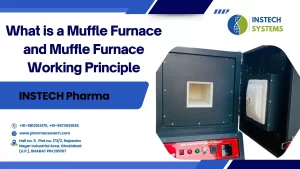
The dry heat sterilizer oven (also known as hot air oven) is the most commonly used equipment for dry heat sterilization.
Key Features of Dry Heat Sterilizer Oven:
- Chamber Design – Made of stainless steel for durability.
- Temperature Range – Can operate between 50°C to 250°C.
- Air Circulation – Fans are used for uniform heat distribution.
- Control System – Digital temperature controller with timer.
- Safety – Equipped with overheating protection.
How the Oven Works:
- Materials are placed inside the oven chamber.
- The chamber is heated to the required temperature (160–180°C).
- The set temperature is maintained for a specific time (30–120 minutes).
- After the cycle, the oven cools down, and sterile items are removed.
Applications of Dry Heat Sterilizer Oven
- Pharmaceutical Industry – Sterilizing glass vials, ampoules, and powders.
- Medical Sector – Surgical tools, metal instruments, and syringes.
- Research Laboratories – Glassware like petri dishes, pipettes, and test tubes.
- Food Industry – Sterilizing packaging containers.
- Waste Disposal – Through incineration for contaminated materials.
Advantages of Dry Heat Sterilizers
- No moisture required → Ideal for powders and oils.
- Prevents rusting or corrosion of metal instruments.
- Safe and chemical-free process.
- Long-lasting sterilization effect.
Conclusion
A dry heat sterilizer is a reliable and cost-effective method for sterilizing glassware, powders, and metal tools.
- It operates at high temperatures (160–180°C) for effective sterilization.
- The dry heat sterilizer oven is the most widely used equipment in pharmaceutical, medical, and research labs.
With modern technology, companies like INSTECH Pharma provide advanced dry heat sterilizer ovens that ensure complete sterilization with GMP and FDA compliance, making them essential for pharma and healthcare industries.